Introduction
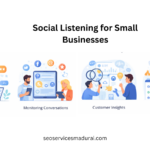
There is a goldmine of information available to your business right now — and it costs nothing to access. It exists in the comments, posts, reviews, and discussions your customers and prospects are having on social media, forums, and review platforms. The practice of collecting and acting on this information is called social listening, and in 2026, it is one of the most underused growth tools available to small businesses.
The Difference Between Social Monitoring and Social Listening
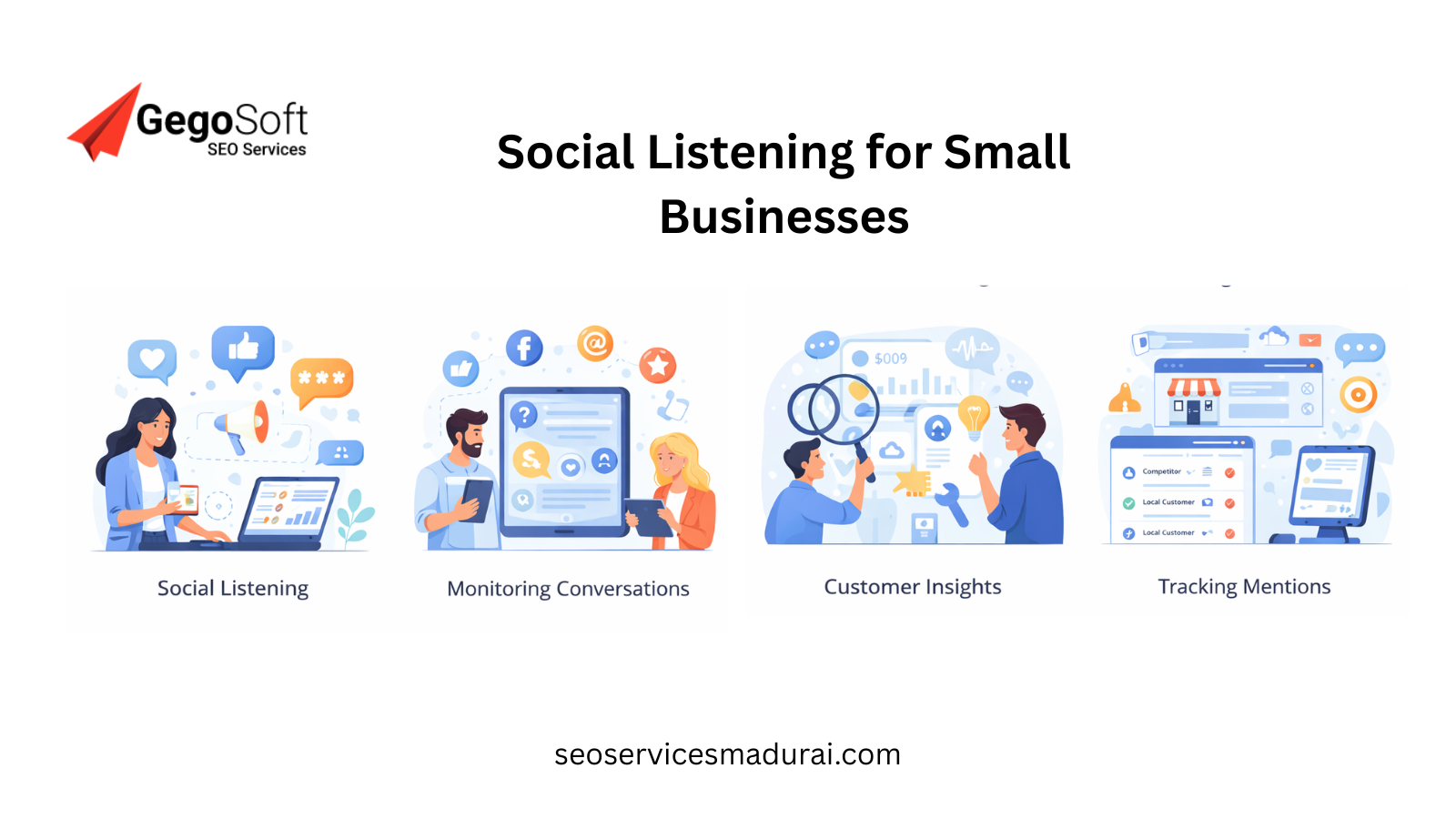
Many business owners monitor social media — checking their own mentions, counting their likes, responding to comments. Social listening goes deeper. It involves tracking conversations about your industry, competitor mentions, relevant keywords, and emerging customer pain points — even when your business is not directly mentioned.
Think of social monitoring as watching the scoreboard. Social listening is watching the game itself.
What Small Businesses Can Learn From Social Listening
The insights gathered from social listening fall into several high-value categories.
Customer pain points: When people complain about a product or service in your category, they are telling you exactly what they want that no one is currently providing. That is an opportunity.
Competitor weaknesses: Monitoring reviews and mentions of your competitors reveals recurring complaints. If customers frequently say a competitor is slow to respond, or that their pricing is confusing, that is a clear signal for how you can differentiate.
Emerging trends: Social conversations often surface trends before they appear in industry reports. The products people are asking about, the terms they are using, the problems they are frustrated by — these are leading indicators of where your market is heading.
Tools That Make Social Listening Accessible
You do not need enterprise software to start. Tools like Google Alerts, Mention, Brand24, and even the native search functions of Instagram and X (formerly Twitter) give you meaningful listening capability at low cost. In 2026, AI-enhanced versions of these tools can categorise sentiment, identify patterns, and surface the most relevant insights automatically.
For local businesses, monitoring location-specific hashtags, Google reviews in your category, and regional Facebook groups provides highly targeted intelligence.
Turning Insights Into Action
Information without action is just noise. After gathering social listening data, the next step is to translate it into decisions.
If you notice repeated mentions of a problem your service can solve, create content addressing that problem. If a competitor is receiving consistent complaints about their response time, make your own responsiveness a central part of your marketing message. If you see a new term or question gaining traction in your industry, write a blog post or FAQ addressing it before anyone else does.
This is how social listening creates a compounding advantage — insights today become content and campaigns tomorrow.
Conclusion
Social listening is not a passive activity. It is an active intelligence system that helps you understand your market better than your competitors do. In 2026, the small businesses growing fastest are not those spending the most on advertising — they are those who understand their customers most deeply. Set up one listening alert today for your business name, your top competitor’s name, and a key pain point in your industry. Check it weekly. Then let what you find guide your next marketing move.